Introduction
A B2B website redesign typically takes anywhere from four weeks to six months. Teams often struggle with vague estimates and slipped launch dates when scope is unclear. The range depends on whether you're running a focused visual refresh, a strategic mid-sized redesign, or a complex rebuild with custom integrations and full content migration.
Page count alone doesn't drive the timeline. These factors shape it more:
- Buyer journeys you need to support
- Technical complexity and CMS or CRM depth
- Stakeholder approval speed
- Content readiness and SEO requirements
This article gives you a realistic planning framework. We'll walk through the major redesign stages, flag the delays that catch teams off guard, and show you how to prepare for a launch date you can actually trust.
Key Takeaways
- B2B redesign timelines vary by scope, decision speed, and content readiness
- Connect discovery, content, design, development, testing, and launch with clear approval gates
- Deep-tech and climate-tech sites need extra time to turn complex products into clear buyer messaging
- Include SEO migration, analytics, and post-launch measurement in the plan from day one
How Long Does a B2B Website Redesign Take?
Three project types cover most B2B redesigns. Here's how they typically break down:
| Project type | Likely scope | Principal deliverables | Common timeline risks |
|---|---|---|---|
| Focused refresh | 5-15 pages, existing content reused, minimal technical change | Updated templates, refreshed visuals, light copy edits | "Quick ask" scope creep, stakeholder second-guessing |
| Strategic mid-sized redesign | 15-40 pages, new IA, UX overhaul, standard integrations | Sitemap, wireframes, design system, CRM connection, new copy | Content delays, slow approval rounds |
| Complex B2B rebuild | 40+ pages, multiple buyer journeys, custom functionality | Full content migration, custom integrations, multi-stakeholder sign-off | SME unavailability, legal review, integration testing |
According to Digi Hotshot's roadmap drawn from 30-plus B2B projects, a focused refresh typically runs 4-6 weeks, a mid-sized redesign 6-10 weeks, and a larger enterprise site 10-18 weeks.

Some agencies quote enterprise overhauls at 4-6 months. These are agency-published estimates, not a fixed industry average, so treat them as starting points rather than guarantees.
Our own project data lines up with the shorter end of these ranges when scope is well-defined. We've delivered a focused B2B redesign in 2 months (HYDGEN) and a full brand-plus-website engagement, including Brand Strategy, Brand Design, and Webflow Development, in 4 months (Susteon).
Both sat within our standard 4-12 week website design and development window.
Elapsed time and active production time aren't the same thing. A 10-week calendar project might only involve 6 weeks of hands-on work once you account for review cycles.
Discovery, copywriting, SEO planning, and design-system development can overlap when dependencies are managed well. Your writer doesn't need final wireframes to start drafting product pages, for example.
That calendar stretch grows further on B2B work, because your buyers aren't one audience. You're often designing for several groups at once:
- Technical evaluators
- Procurement teams
- Executives
- Regional partners
Each group needs different proof points and different paths through your site.
Decide upfront where the timeline actually ends. Technical go-live is one answer. A more useful definition includes SEO monitoring, analytics validation, and early lead-quality review in the weeks after launch.
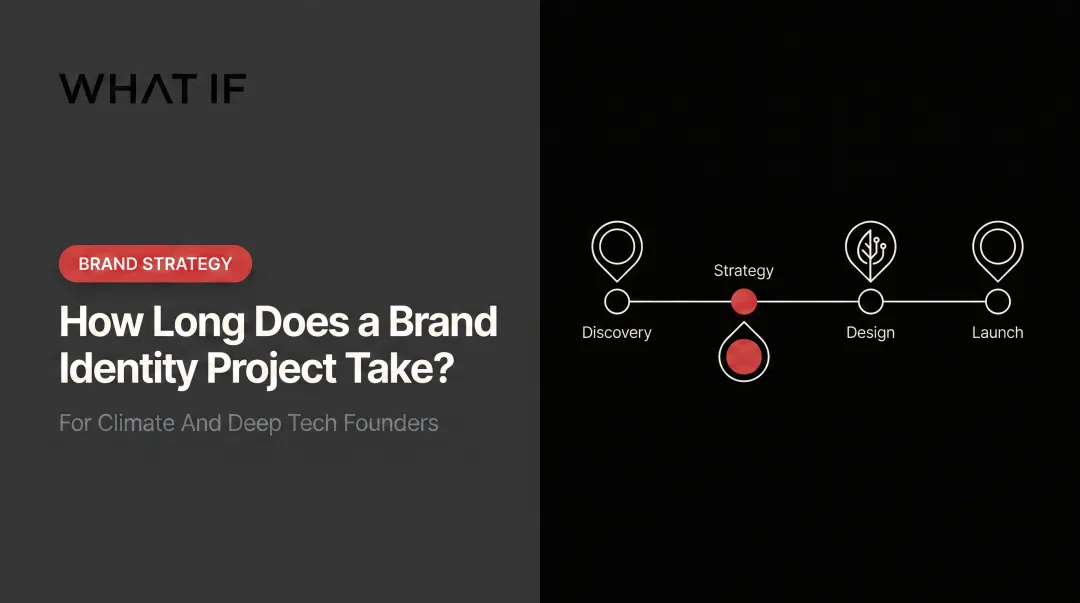
What Are the Stages of a B2B Website Redesign?
Discovery, Research, and Current-Site Audit
This stage covers stakeholder interviews, target account analysis, competitor research, analytics review, and existing SEO performance. It's where you identify why you're redesigning and define what success looks like, whether that's more qualified enquiries, demo requests, or sales enablement content that actually gets used.
Strategy and Information Architecture
Your team defines primary audiences, buyer journeys, navigation, and conversion paths here. B2B sitemaps often need separate routes for industries, use cases, products, technical documentation, and company credibility. A single generic path rarely serves a technical buyer and a budget-holder equally well.
Messaging and Content Preparation
Content inventory, keep/update/remove decisions, subject-matter interviews, and proof points all happen in parallel here. This stage should start early. Incomplete copy and delayed approvals are among the most common reasons design and development stall later.
UX, Wireframes, and Visual Design
Your team builds and reviews wireframes, responsive layouts, and design-system decisions in rounds. Approving page templates and conversion patterns early saves significant rework across a large site. Once a template is locked, applying it to 30 more pages is fast; relitigating it after the fact isn't.
Development, Integrations, and Content Migration
CMS configuration, forms, CRM connections, analytics, search, and content migration all live here. Standard platform configuration moves quickly. Custom functionality, like gated resource libraries or product configurators, changes the timeline considerably, so it's worth scoping separately rather than lumping it into a general "development" estimate.
Testing, Launch, and Post-Launch Optimisation
Functional QA, accessibility checks, redirects, and analytics tracking all need verification before go-live. Post-launch work should confirm rankings held, traffic quality is healthy, and lead routing actually works. This is the part teams most often skip, and it's where problems surface if you do.

What Factors Can Delay or Accelerate the Timeline?
Scope and Technical Complexity
Page volume, number of templates, languages, and third-party integrations all extend the schedule.
A multilingual site is a clear example. HubSpot's own documentation notes that its CMS doesn't automatically translate content or include a language switcher—developers often need additional build work to support multiple languages properly.
CRM field mapping works the same way: existing data doesn't sync retroactively once a new mapping is created, which means verification time, not just setup time.
Content and Subject-Matter Expert Availability
Delays here come from unavailable technical experts, unclear product claims, and slow copy reviews. Research from the Content Marketing Institute found that 57% of B2B marketers cite creating the right content for their audience as a genuine challenge.
A shared content inventory with named owners and firm deadlines reduces avoidable waiting.
Stakeholder Structure and Approvals
Committees, regional teams, and legal review all add calendar time. The fix is straightforward:
- Name one accountable decision-maker per project
- Set predefined review windows (not open-ended ones)
- Consolidate feedback into a single round instead of trickling comments
- Agree on approval criteria before each phase starts
SEO and Migration Requirements
URL changes, redirect mapping, and content consolidation all carry risk if rushed. Google's own migration guidance recommends mapping every old URL to its new equivalent and using server-side permanent redirects. It also warns against redirecting unrelated pages to your homepage as a shortcut.
Skipping this work is one of the fastest ways to lose organic rankings you've spent years building.
Team Model, Platform, and Project Management
Agency capacity, internal bandwidth, and CMS familiarity all affect speed. A focused senior team tends to move faster than a layered internal-plus-freelancer model simply because there are fewer handoffs.

The right model still depends on your internal capacity and budget, not a universal rule.
How to Prepare for a Faster, More Predictable B2B Redesign
A predictable timeline starts before you select a partner. Four things matter most:
- Write a project brief first. Define business objectives, priority audiences, required pages, integrations, CMS constraints, and, just as importantly, what's explicitly out of scope.
- Assemble your internal team early. Appoint one project owner, identify your subject-matter experts, and agree on response times upfront.
- Complete a readiness checklist. This covers content inventory, analytics access, brand assets, customer proof points, SEO data, and legal review requirements.
- Know what can run in parallel. Content production, SEO mapping, and design-system work can overlap, but key architecture decisions need to happen first, or everything downstream gets rebuilt.
Those steps matter even more when the product is hard to explain. For climate-tech and deep-tech teams, the brief often stalls where complex science meets a non-technical buyer—and timeline assumptions shift with it.
What if Design works in that gap for organisations translating carbon capture, green hydrogen, and grid-interconnection technology into sites that support funding conversations and enterprise deals. That work starts with understanding the science before a single wireframe is built.
Susteon's redesigned site, for example, increased career-page applicants by 30% versus previous openings, alongside a full brand and communications refresh.
A B2B Website Redesign Is a Strategic Investment
A realistic redesign plan covers more than design and build. Core phases typically include:
- Discovery and buyer-journey strategy
- Content, UX, and visual design
- Development, testing, and SEO continuity
- Launch and post-launch measurement
The live date is a milestone, not the finish line.
Before you ask any partner for a timeline, audit your own scope, content readiness, stakeholder structure, and integrations first. Clear inputs here make any timeline quote you receive far more trustworthy.
That preparation matters even more in climate tech, deep tech, and other technically complex sectors, where scope and messaging are harder to pin down. What if Design works across brand, UX, and website design to tie that complexity to commercial outcomes so the redesign supports adoption, not only a new look.
Website Redesign Timeline FAQs
What are the 7 stages of web development?
Most frameworks cover discovery and planning, information architecture, content, design, development, testing, and launch or post-launch optimisation. Exact labels and groupings vary by agency and project type.
How long does a B2B website redesign usually take?
Focused refreshes typically run 4-6 weeks, mid-sized redesigns 6-10 weeks, and complex rebuilds anywhere from 10 weeks to 6 months. Your actual timeline depends heavily on scope and how quickly your team reviews work.
What is the biggest cause of delay in a B2B website redesign?
Content readiness, slow approvals, mid-project scope changes, and unclear decision ownership are the most frequently cited causes. Projects usually hit a mix of these rather than one single blocker.
Can website content and design be completed at the same time?
Wireframing, SEO mapping, and early copywriting can run in parallel without issue. However, final content decisions are usually needed before development locks in page templates and layouts.
How can a company speed up its website redesign?
Define scope clearly, prepare content early, name one decision-maker, and agree on feedback turnaround times upfront. Securing technical access and CRM credentials early also prevents late-stage bottlenecks.
Does SEO add time to a B2B website redesign?
Yes. URL mapping, redirects, metadata, and internal linking all require planning and QA time. This investment protects your existing search visibility rather than starting from zero after launch.