Should I choose Webflow or Framer for my company website?
Choose Webflow when your site needs a robust, client-editable CMS for case studies, whitepapers, resources, team pages, or a growing content library. Choose Framer when the priority is a highly visual brand experience with expressive animation and a smaller number of marketing pages. The best option depends on your publishing cadence, content complexity, integrations, SEO priorities, and internal editing workflow.
Is Webflow better than Framer for SEO?
Webflow is often the stronger fit for content-led SEO because it supports structured CMS collections, scalable page templates, redirects, metadata, schema markup, and a large library of indexable content. Framer also supports essential SEO controls and can perform well for focused marketing sites. Platform choice alone doesn't guarantee rankings; site structure, useful content, technical performance, and search intent remain essential.
Can Framer handle animations and interactive product storytelling?
Yes. Framer is particularly well suited to animation-rich marketing experiences, responsive components, and visual product narratives. It can help explain technical concepts through movement, layered layouts, and interactive elements without a traditional JavaScript-heavy build. We still prioritize purpose: animations should clarify a product benefit, guide attention, or strengthen engagement rather than slow the site or distract from key conversion actions.
Can my team update a Webflow or Framer site after launch?
Yes. Both platforms allow non-technical teams to make routine updates after launch. In Webflow, editors can manage CMS-driven content such as articles, case studies, team members, and resources. In Framer, teams can update page content and approved components. We create organized systems, responsive styles, and clear editing guidance so updates remain on-brand and don't compromise site consistency.
How long does Webflow or Framer development take?
Most website engagements run from 4 to 12 weeks, depending on the number of pages, content readiness, visual complexity, integrations, and feedback speed. Smaller launch pages can move faster, while content-rich Webflow builds or animation-heavy Framer experiences need additional planning and quality assurance. What if Design works workshop-to-launch and can accommodate turnaround needs ranging from 48 hours to several weeks.
Can you migrate an existing WordPress or Wix site to Webflow?
Yes. A migration can include auditing current pages, restructuring navigation, moving priority content into Webflow CMS collections, rebuilding responsive layouts, setting redirects, and preserving essential SEO metadata. Rather than copying every legacy page, we identify what still supports your buyer journey and search visibility. This creates a cleaner, easier-to-manage website that's ready for future content and product updates.
Do you provide design as well as Webflow or Framer development?
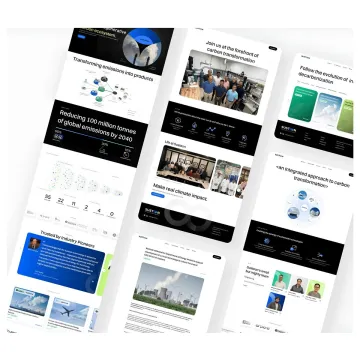
Yes. We offer a full-service approach from strategy through implementation. Engagements can include site mapping, wireframes, conversion-focused copywriting, technical illustrations, high-fidelity visual design, interactions, responsive development, and SEO foundations. This integrated process is especially helpful for climate and deep-tech teams whose product, market, and stakeholder story must be clarified before a website can effectively communicate it.
What integrations can you add to a Webflow or Framer website?
We can plan and implement common marketing and conversion integrations, including Calendly for meeting bookings, HubSpot for lead capture, Google Analytics for measurement, and Hotjar for behavior insights. The right integration set should support a specific workflow, such as routing demo requests, tracking campaign performance, or learning where visitors drop off. We confirm requirements early to protect performance and launch timelines.