Introduction
EV companies no longer compete only on range, charging speed, battery chemistry or software. They compete on the confidence their brand creates. Buyers, fleet operators and investors all ask the same question: can I trust this company?
In India, that question carries weight. Electric-car sales rose 75% to 165,000 in 2025, according to the IEA's Global EV Outlook. The market is growing fast, and so is the number of brands using identical language about clean technology and the future.
EV brand identity is bigger than a logo. It is the connected system of strategy, visuals, language, product experience, infrastructure and customer interactions that makes a company recognisable and credible. This article covers the essential elements, the touchpoints where they must appear, and a practical process for building one.
Key Takeaways
- A strong identity turns technical capability into a clear promise for specific audiences.
- Distinctiveness beats generic "green" or futuristic styling.
- Trust comes from consistent design, substantiated claims and transparent communication.
- The identity must work from vehicle to charger to app to service desk.
Why EV Brand Identity Is a Strategic Advantage
Many EV brands say much the same thing: clean, innovative, sustainable, next-generation. When every pitch sounds alike, buyers fall back on price and habit. A differentiated identity lets a company occupy a specific position, such as accessible mobility, premium performance, dependable fleet infrastructure, intelligent energy management or practical urban transport.
The buying context rewards clarity. Deloitte India's 2025 survey of 1,000 Indian consumers found that upfront cost, charging infrastructure and battery longevity remain barriers, and 36% prioritise fast charging. The survey does not measure brand identity's effect on sales, but it shows what a brand must reassure people about.
Translate technical innovation into human value
Battery systems, charging networks and fleet analytics mean little until they become outcomes: confidence, convenience, lower friction, control, operational efficiency. Write each message for its audience:
- Consumers: confidence that the vehicle and charging will fit daily life
- Fleet operators: uptime, running cost and visibility
- Infrastructure partners: interoperability and clear fee disclosure
- Investors: credible traction and a defensible position
- Regulators: plain-language evidence for claims
One generic message for all five serves none of them.
Build trust in a high-consideration category
An EV is a big purchase, so audiences look for specific signals:
- Safety and reliability
- Charging availability
- Service support
- Data privacy
- Battery lifecycle information
- Honest sustainability claims
Visual polish alone backfires. India's CCPA greenwashing guidelines require terms like "green", "eco-friendly" and "carbon-neutral" to carry qualifiers, substantiation and disclosure. ASCI's environmental-claims rules (effective February 2024) demand robust proof for absolute claims. Treat the claim, the evidence and the design as one thing.
Balance innovation with relevance
An identity should feel forward-looking without turning cold or detached from daily commutes. Test it with Indian users before finalising. Check cultural references, language, price and usability perceptions, and what electric mobility emotionally means to them.
Language is a practical starting point. India's Ministry of Power charging guidelines call for pictorial guidance in English, Hindi and the local language at public charging stations. Wider data from IAMAI and Kantar shows 57% of urban internet users prefer Indic-language content, though that figure describes internet users, not EV buyers.
The Essential Elements of a Strong EV Brand Identity
Strategic foundation
Define this before anyone opens a design file:
- Purpose, mission and values tied to the company's real climate, energy or mobility contribution
- Audience and category position
- A distinctive promise
- Three or four messaging pillars covering what you do, why it matters, how you differ and what proves it
Run a positioning exercise against direct competitors and adjacent alternatives, such as petrol two-wheelers or battery-swapping networks. The aim is a specific, defensible space, not a slightly better version of everyone else's.
Visual identity system
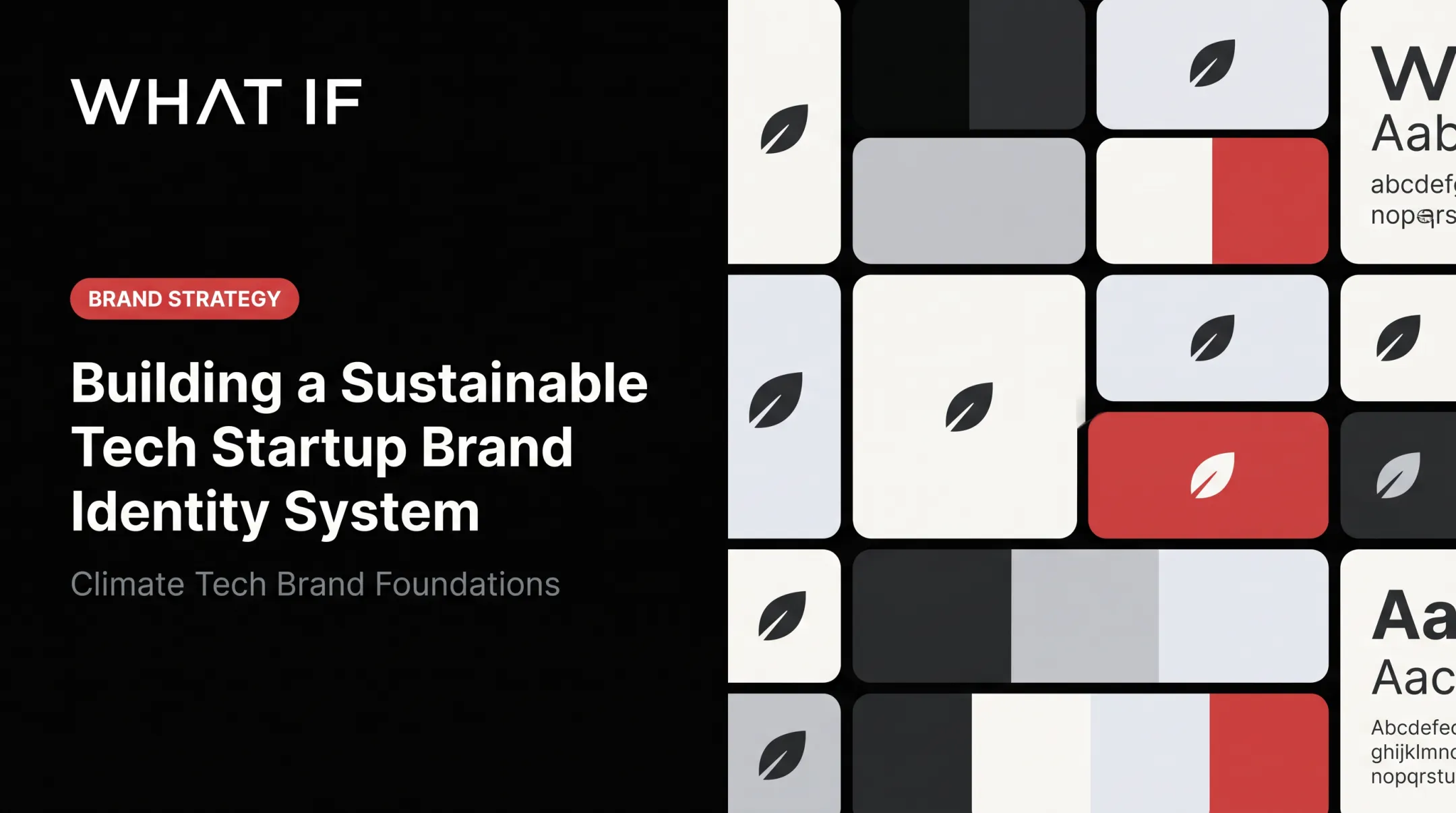
Treat logo, colour, typography, layout, iconography, illustration, photography, motion and data visualisation as one coordinated system.
Each element must hold up on small app screens, websites, vehicle and charger surfaces, signage, decks and social posts, including low-bandwidth and low-light conditions.
Test for distinctiveness and accessibility together:
- Contrast: WCAG 2.2 sets 4.5:1 for ordinary text and 3:1 for large text and key interface graphics
- Colour never as the only way to convey information
- Recognition at a distance and in small sizes
- Multilingual layouts, including Indic scripts
- A side-by-side check against rival EV brands
The logo itself is exempt from the text-contrast rule. Functional interface text and controls are not.

Verbal, narrative and experiential identity
Set the voice, naming principles, tagline approach and tone for each audience. Write rules for explaining technical concepts in plain language, so an engineer and a first-time buyer both get the same truth at different depths.
Build the story around the problem solved, the people affected, your point of view and the evidence that makes the promise believable.
Then document it all in brand guidelines: claims language, visual rules, UX patterns, motion behaviour, correct-usage examples and decision principles. Guidelines are what let a system scale past the founding team.
Where EV Brand Identity Must Show Up
Vehicle, hardware and physical product
Identity lives in form, materials, finishes, interfaces, display behaviour, sound and motion cues, and packaging. The first-use moment matters most. A brand promising simplicity should have a simple start-up sequence, not just a clean logo. Safety and usability always outrank style.
Charging infrastructure and public environments
Unfamiliar infrastructure needs to be easy to find, understand and trust. The Ministry of Power's 2024 guidelines point to prominent signage, directional signs, displayed charging rates and service charges, flexible payment options and open protocols such as OCPP and OCPI.
Good charging-site branding covers:
- Wayfinding and lighting
- Clear pricing and onboarding cues
- Visible maintenance status
- Accessibility
- No clutter or inflated environmental claims
Ather offers a useful example. Its January 2026 release reports 5,000+ accessible LECCS fast chargers across 395+ cities, including partner networks. That shows compatibility working as a brand signal, though it establishes access, not payment roaming.
Websites, apps, dashboards and digital support
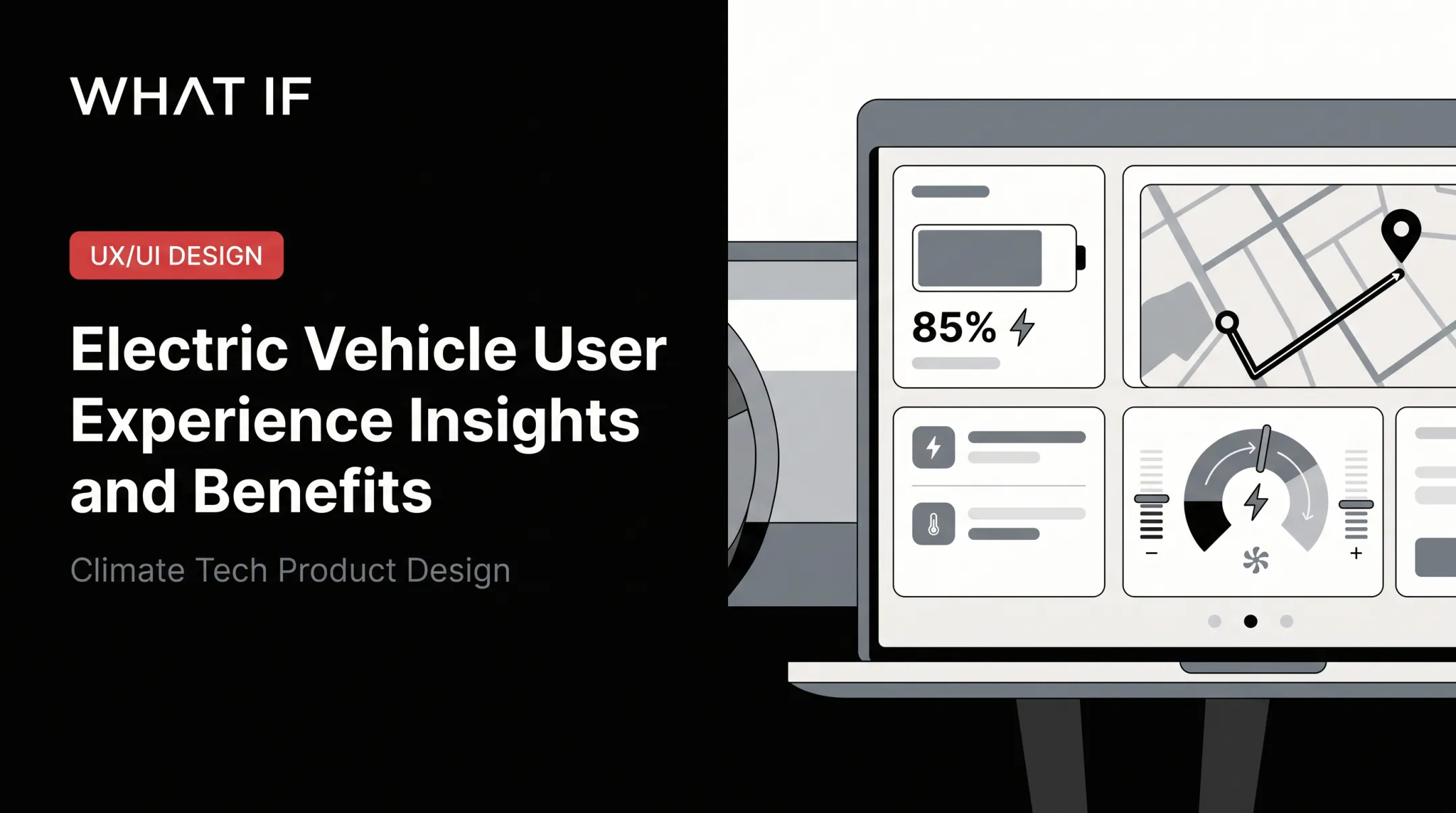
Identity shows up in interface structure, microcopy, onboarding, error states, data visualisation, notifications, support and the tone of software updates. Nielsen Norman Group notes that consistent conventions improve learnability, and that error messages should be human-readable, precise and constructive.
Rivian's 2025 app update shows the idea: range, drive mode and remote commands became prominent, and service got a dedicated tab. UX behaviour must deliver what campaigns promise.
Sales, investor, fleet and partner communications
Map the identity into pitch decks, demos, fleet proposals, dealer materials, technical documentation, partner presentations, recruitment content and media. Keep claims, diagrams and terminology identical so technical stakeholders hear one credible story, not marketing and engineering telling different ones.
Segments differ sharply. India recorded 1,149,334 electric two-wheeler sales in FY2024-25, while the L5 three-wheeler category sold 159,235. A fleet proposal for one should not read like a pitch for the other.

Ownership and service ecosystem
Purchase or procurement, delivery, installation, onboarding, maintenance, charging support, warranty communication, software updates and community engagement all define the brand. Downtime, unclear instructions, service delays or contradictory messages can undo a beautiful launch in a week. Plan these moments as deliberately as the logo.
How to Build, Govern, and Measure the Identity
Research and define before designing
Start with an audit covering:
- Strategy and audience perceptions
- Competitors and existing assets
- Customer journey, product experience and touchpoints
Interview Indian users and stakeholders where relevant. Then work in sequence:
- Research and positioning
- Verbal direction
- Visual concepts
- Prototype testing
- Identity guidelines
- Rollout
Tie every decision to business goals, not personal taste. At What if Design, a minimum viable brand typically runs 4-6 weeks and includes messaging hierarchy, a WCAG-AA visual identity, a brand-guidelines mini-book and a press kit.
Govern and improve the system over time
Assign clear brand ownership. Provide reusable templates, asset libraries and design tokens so internal teams and partners apply the identity the same way. Design tokens here follow the Design Tokens Community Group format, a community specification rather than a W3C standard.
Add review processes and light training.
Measure against a baseline instead of borrowing benchmarks:
- Ipsos separates unaided awareness (naming a brand unprompted) from aided awareness (recognising it when shown)
- Qualified demand, conversion or adoption signals, and retention
- Trust feedback and recurring support themes
- Touchpoint consistency audits
Track change at regular intervals using the same method each time.

The Takeaway
Successful EV brand identity turns technology, purpose and customer experience into a system people can recognise, understand and trust:
- Distinctive expression of the technology behind the vehicle
- Clear purpose customers grasp across brand and product
- Customer experience that builds recognition and lasting trust
What if Design helps purpose-driven climate-tech and EV teams connect strategy, brand, website and product experience through senior-level design support. If you are wrestling with an identity challenge or an upcoming launch, get in touch to talk it through.
Frequently Asked Questions
What is a visual brand identity?
It is the visible side of a brand: logo, colour palette, typography, imagery, layout and motion. For an EV company it is only one part of the full identity.
What does EV stand for?
EV stands for electric vehicle, meaning a vehicle powered fully or partly by electric propulsion. Definitions vary: some cover only battery-electric and plug-in hybrids, excluding conventional hybrids.
What is an EV brand identity?
It is the system of strategy, visuals, language, product, digital and physical experience that shapes how an electric-vehicle company is recognised and perceived.
What are the essential elements of an EV brand identity?
Positioning, purpose, messaging, logo, colour, typography, imagery and voice, plus product and UX expression, charging touchpoints and brand guidelines.
How can an EV company measure whether its brand identity is working?
Set a baseline, then track recall, recognition, trust feedback, qualified demand, conversion or adoption, retention and touchpoint consistency over time.