What is carbon accounting software UX design?
Carbon accounting software UX design focuses on how users collect, review, calculate, report, and interpret emissions data. It includes research, user journeys, information architecture, wireframes, interface design, interaction patterns, prototypes, and usability validation. The goal is to make complex sustainability workflows clearer and more efficient while supporting the needs of analysts, sustainability teams, executives, and other product users.
Why does carbon accounting software need specialized UX design?
Carbon accounting products often combine complex data structures, multiple user roles, reporting requirements, and technical terminology. Generic interface patterns may leave users uncertain about data quality, workflow progress, or next steps. Specialized UX design helps organize these complexities into understandable journeys, useful dashboards, clear states, and consistent interactions that support confidence and adoption.
What does a UX design project for carbon software include?
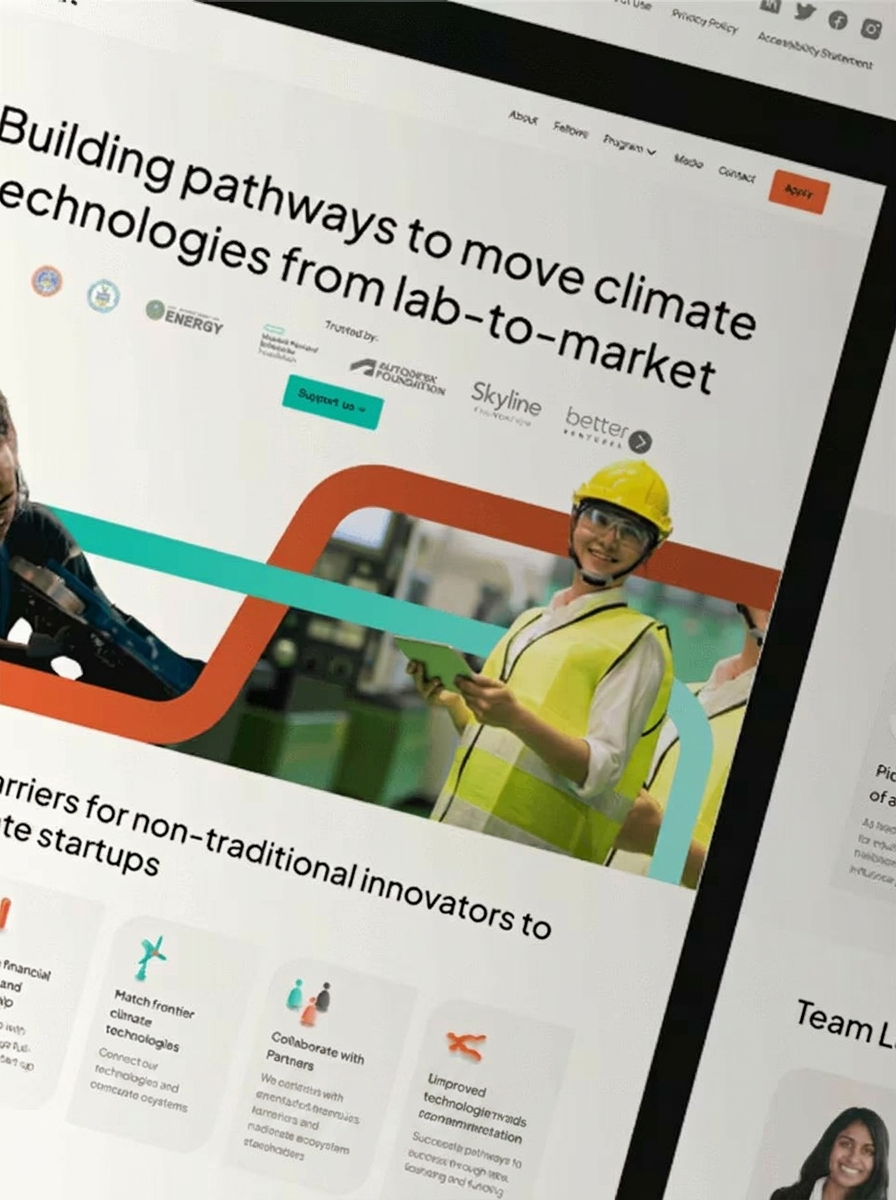
A project can include stakeholder alignment, user and workflow research, journey mapping, information architecture, wireframes, high-fidelity screens, interactive prototypes, design systems, usability testing, and developer handoff. The exact scope is shaped around the product’s maturity, user groups, technical constraints, and business objectives. What if Design can support a focused feature or a broader product experience.
Can you design dashboards for emissions and sustainability data?
Yes. Dashboard UX can cover information hierarchy, charts, filters, summaries, comparison views, data states, and actions for reviewing emissions information. The design should help users distinguish important signals from supporting detail without overwhelming them. Interfaces can be structured for different audiences, including operational users who need detail and decision-makers who need clear summaries.
How do you make carbon accounting workflows easier to understand?
We begin by identifying the tasks users need to complete and the decisions those tasks support. We then organize information into logical stages, clarify terminology, expose useful system feedback, and design states for incomplete, changing, or reviewed data. Prototypes and testing help reveal friction before development, reducing ambiguity and making the product experience more coherent.
Do you design for different carbon accounting user roles?
Yes. Carbon accounting software may serve sustainability specialists, data contributors, auditors, executives, consultants, or operational teams, each with different goals and levels of familiarity. UX design can account for these differences through role-aware journeys, permissions-related patterns, progressive disclosure, tailored dashboards, and clearer paths through shared workflows.
Can you improve an existing carbon accounting product?
Yes. UX improvements can focus on confusing workflows, inconsistent interfaces, low adoption, unclear reporting paths, or difficult data review experiences. We can assess the current product, identify high-impact friction points, prioritize improvements, and develop validated design directions. This can support a targeted feature redesign, a broader product refresh, or a scalable interface system.
How do we start a carbon accounting software UX project?
The process begins with a conversation about your product, users, current challenges, and business goals. From there, we can identify the right research, UX, UI, prototyping, or testing scope. What if Design offers a full-service approach across brand, website, and product design, with a focus on technically complex climate and sustainability work.